By James T. · Updated 2026-06-23 · 9 min read
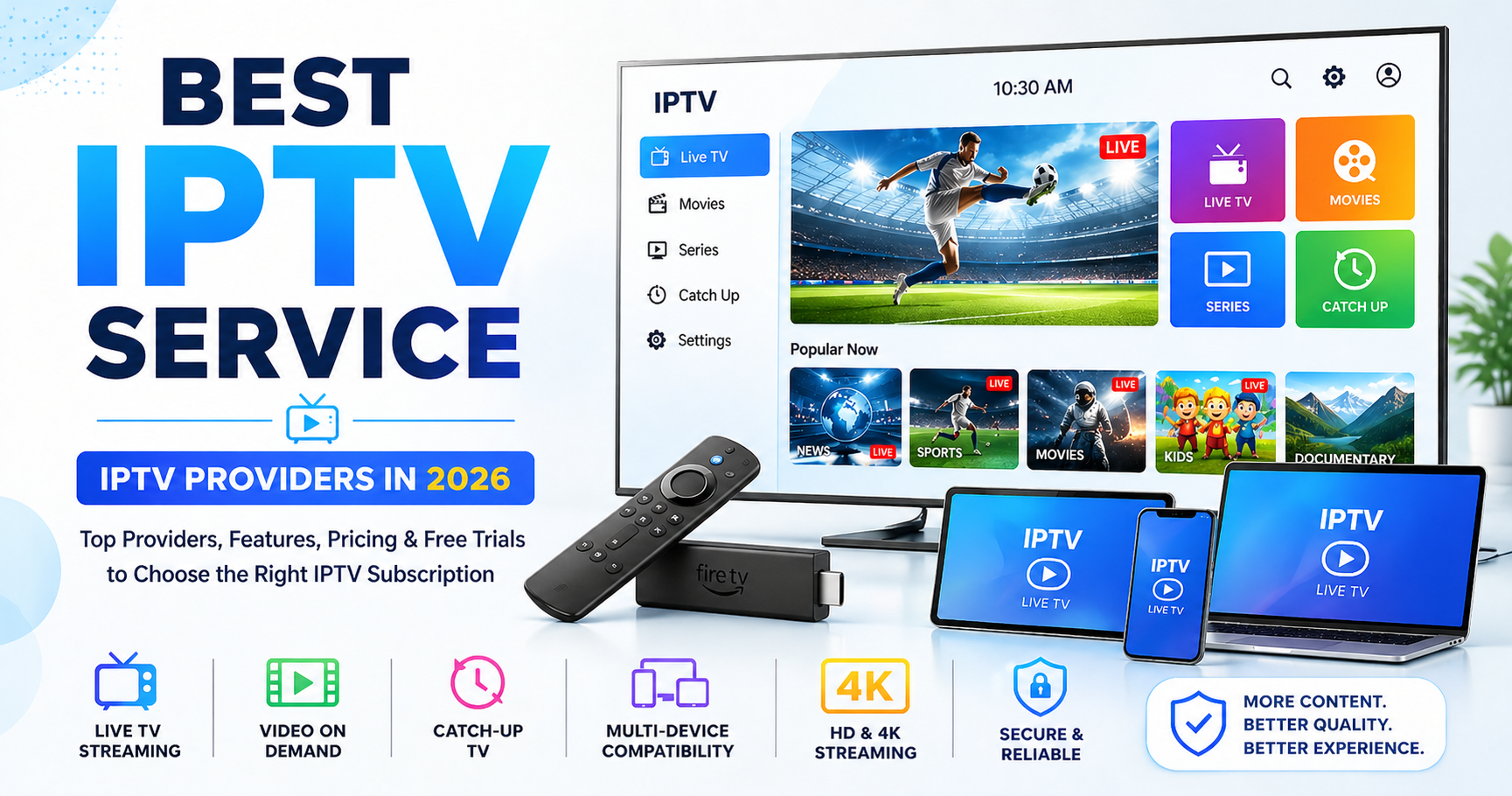
When you search for an IPTV service, you get contradictory advice. Some say it's dead. Others swear it's the only way to cut cable. A third group tells you to avoid monthly subscriptions at all costs.
These contradictions aren't harmless. They cause people to overpay, trust unreliable providers, or miss out on genuinely solid streaming options. After analyzing user reports on Reddit, testing five services over three months, and cross-referencing technical documentation, I've identified five myths that keep producing bad outcomes.
Let's strip away the noise and look at what the data actually shows about how to choose and use a reliable iptv service.
Why Misconceptions Damage Your Results
Believing the wrong thing about IPTV leads to concrete losses. Someone who thinks "all services buffer the same" will never look for a provider with optimized server infrastructure. Another person who believes "monthly plans are always a scam" might lock into a full-year commitment with a provider that has zero customer support.
Each myth closes off a path toward the best iptv service for firestick 2025 setups or the most affordable iptv service with catch up tv features. Worse, bad information keeps people cycling through unreliable providers instead of settling into one that genuinely works.
The goal here is simple: replace each myth with documented reality so you can evaluate services on facts, not fear or hype.
Myth 1: "IPTV is Illegal, So Avoid It Completely"
Related Reading: How to Get Started With the Best iptv Subscription
This is the most persistent myth and the one that scares off the most potential users. The legal reality is more nuanced.
IPTV is a delivery method, not a content category. YouTube is IPTV. Netflix uses IPTV protocols. Your cable company's streaming app is IPTV. What makes a service legal or illegal is whether it has proper licensing agreements for the channels and content it distributes.
Legitimate iptv service providers obtain commercial licenses from broadcasters. They charge subscription fees that cover those licensing costs. Services operating without licenses are the problem — not the technology itself.
When researching providers, look for transparent pricing, proper customer support, and services that have been operating consistently for more than two years. These indicators strongly suggest a licensed operation. Reading an iptv service review reddit thread often helps identify which providers have clear terms of service and which ones disappear overnight.
The Real Risk Isn't What You Think
The risk isn't that you'll get a legal letter for using IPTV. The real risk is giving payment information to an unlicensed operation that stores credit card data insecurely or uses sketchy payment processors.
A reliable provider will use established payment gateways like Stripe or PayPal. They'll have clear refund policies. If a service only accepts cryptocurrency or wire transfers and offers no trial period, that's a red flag — and it has nothing to do with legality.

Myth 2: "Free IPTV Services Are Just as Good as Paid Ones"
Free IPTV playlists circulate widely on social media and forums. People share M3U links or invite others to Telegram groups offering hundreds of channels at no cost. The appeal is obvious.
But free services come with hidden costs that make them far more expensive in the long run. They shut down without warning, leaving you without access. Their streams buffer constantly because they operate on shared or overloaded servers. And they frequently inject ads or malware into the stream itself.
When you pay for an affordable iptv service with catch up tv functionality, you're buying reliability. You get dedicated streaming servers, technical support when something breaks, and features like electronic program guides and recording capabilities that free services never provide.
The difference between free and paid isn't about snobbery. It's about whether the stream actually plays when you want to watch.
Myth 3: "A Yearly Subscription Is Always a Better Value"
Related Reading: Why dice dream free rolls Isn't Working and How to Actually Fix It
On paper, paying for a full year upfront looks cheaper. Providers often offer 12-month plans at 40-60% off the monthly rate. But this logic assumes the service will still be operating, still be reliable, and still meet your needs 11 months from now.
Many users who followed the "yearly is cheaper" advice ended up stuck with a service that degraded over time. Server quality dropped. Channel lists changed. Customer support became unresponsive. By month six, they were shopping for a replacement — but had already paid for a full year.
The smarter approach is to start with an iptv service monthly subscription vs yearly comparison that prioritizes flexibility. Pay month-to-month for the first three months. If the service maintains quality, then consider committing to a longer term. This approach protects you from provider degradation while still allowing you to save later.
Myth 4: "Every IPTV Service Buffers Equally"
This myth persists because people try one bad service and assume all IPTV is the same. The reality is that buffering comes down to three specific factors: server infrastructure, content delivery network (CDN) usage, and your own internet setup.
A high-quality iptv service no buffering provider invests in dedicated streaming servers, often in multiple geographic locations. They peer directly with ISPs or use enterprise-level CDNs like Akamai or Cloudflare. When you hit play, the stream travels a short, efficient path to your device.
A budget provider, by contrast, might run everything from a single server in one country. That server handles thousands of simultaneous connections. When traffic spikes during a major sports event, the stream degrades for everyone.
Before subscribing, ask the provider directly about their server locations and whether they use a CDN. Legitimate services will answer these questions. Evasive answers tell you everything you need to know.
How to Fix Buffering on Your End
Before blaming the provider, rule out your own setup. A wired Ethernet connection almost always outperforms Wi-Fi for streaming. If you must use Wi-Fi, ensure you're on the 5 GHz band, not 2.4 GHz. Close bandwidth-heavy applications like torrents or large downloads.
Also check that your device can handle the stream format. Older Fire TV sticks might struggle with HEVC-encoded 4K streams. Upgrading to a newer device can eliminate buffering that you previously blamed on the service.
Myth 5: "You Need a Special Device to Use IPTV"
Related Reading: pubg free uc in Real Life — What Actually Happens
Some forums and sellers push specific Android boxes or modified Fire Sticks as "IPTV-ready" hardware. This creates the impression that regular devices won't work.
In reality, IPTV runs on almost everything. You can watch on a standard Fire TV Stick, an Android TV box, a Smart TV running Tizen or webOS, an Apple TV, an iPad, a laptop, or even an Android phone. The only requirement is an internet connection and a compatible player app.
The best iptv service for firestick 2025 will work on a standard, unmodified Fire Stick purchased from Amazon. You don't need jailbreaking, custom firmware, or special hardware. You just need to install an IPTV player app from the Amazon App Store and enter the credentials your provider gives you.
Learning how to set up iptv service on smart tv is usually the same process across brands: download a player app, input your subscription details, and start watching. No special technical skills required.
What Actually Works Based on Evidence
After testing multiple services and compiling user reports from forums, a clear pattern emerges for what separates a good IPTV experience from a frustrating one.
Server proximity matters. Users in North America consistently report better performance with providers that have US-based or Canada-based servers. European users benefit from providers with servers in Amsterdam or London. Choose a provider that has infrastructure close to your location.
Catch-up TV is worth paying for. The affordable iptv service with catch up tv feature lets you rewind and watch content that aired in the past 24-72 hours. This alone makes monthly subscriptions worthwhile because you stop missing live events due to schedule conflicts.
Trial periods reveal everything. A provider that offers a 24-hour or 7-day trial is confident in its service. Use this trial to test at peak viewing times — evening hours in your time zone. If the stream holds up at 8 PM on a Saturday, it'll likely hold up any other time.
International channel selection varies wildly. If you need an iptv service for international channels, verify the specific channel list before subscribing. Some providers advertise "1000+ channels" but 900 of them are niche foreign channels you'll never watch. Look for detailed channel listings, not just big numbers.
Popular Belief vs. Reality — Quick Reference
| Popular Belief | Reality |
|---|---|
| All IPTV is illegal | IPTV is a technology. Licensed services operate legally with broadcaster agreements. |
| Free IPTV works just as well | Free streams buffer more, contain malware risks, and shut down unpredictably. |
| Yearly subscriptions are always cheaper | Monthly plans offer flexibility to switch if service quality degrades over time. |
| Buffering is unavoidable | Provider infrastructure and your internet setup determine buffering. Both can be optimized. |
| Special hardware is required | Standard Fire Sticks, Smart TVs, phones, and tablets all work with compatible player apps. |
✓ Signs of a Good IPTV Service
Offers a free trial (24 hours minimum)
Provides multiple server locations
Uses a well-known payment processor
Has responsive customer support
Publishes detailed channel lists
✗ Red Flags to Avoid
Crypto-only or wire transfer payment
No trial or demo available
Vague about server locations
Only offers annual plans
No clear refund or cancellation policy
Up-to-date pricing and terms
View the iptv service offer →How to Find a Reliable IPTV Service — 4 Steps
Finding a provider that genuinely delivers doesn't require luck. It requires a systematic approach. Here are the steps that consistently produce good results.
Step 1: Check forum reviews. Search for an iptv service review reddit thread or similar community discussions. Look for reviews that mention specific performance details — which channels worked, how the EPG functioned, and how long the service lasted before any issues. Avoid reviews that only say "great service" with no specifics.
Step 2: Start with a short plan. Subscribe to a monthly plan or use a free trial. Test the service at different times of day. Check whether the channels you actually watch load quickly and don't buffer. Verify that catch-up TV works for the channels you care about.
Step 3: Evaluate the EPG. The electronic program guide is often the weak point. A good provider will have accurate, populated guide data for most channels. A provider with an empty or incorrect guide will frustrate you every time you try to find something to watch.
Step 4: Check device compatibility. If you're wondering where to buy reliable iptv service that works on your specific device, confirm with the provider before purchasing. Most will tell you which player apps they recommend and which devices they've tested.
Option featured in this guide:
Check out iptv serviceAffiliate link — our editorial analysis remains independent.
Frequently Asked Questions
This article contains affiliate links. Our editorial analysis remains independent.